Home / News / Industry News
 Hot News
2026-08-12
2026-06-25
2026-04-09
2026-04-03
2026-03-24
2026-03-20
Natural stone is formed over millions of years, which means internal stress, veins, and micro-fissures are part of its structure. These natural characteristics can sometimes develop into visible cracks under certain conditions.
Key causes from the material itself
Natural fissures and veins that weaken specific areas
Uneven mineral composition leading to different hardness levels
Internal stress formed during geological processes
How to prevent issues
Select slabs with minimal visible fissures
Reinforce weak areas using resin or backing mesh
Work with experienced suppliers for proper slab grading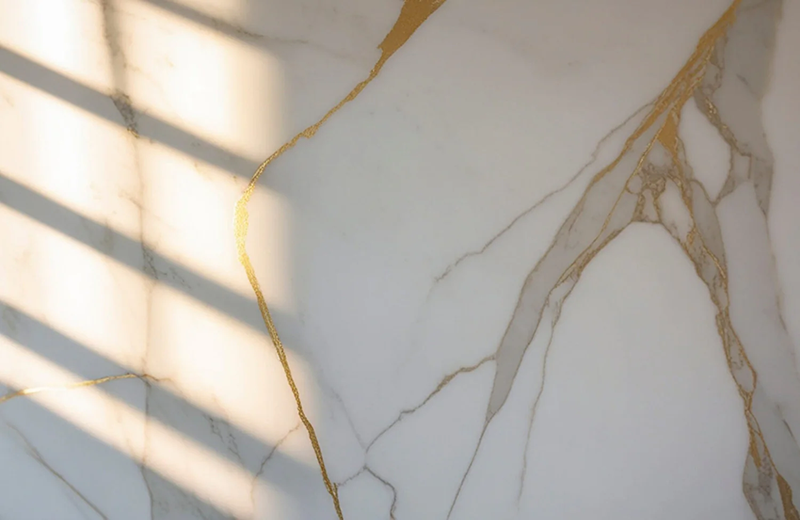
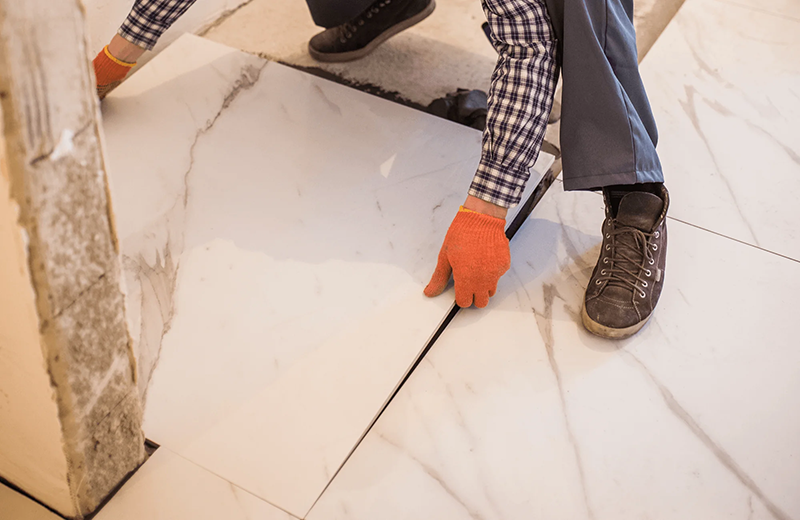
One of the most common reasons stone cracks is incorrect installation. Even high-quality stone can fail if the foundation is not properly prepared.
Common installation mistakes
Uneven or unstable subfloor
Insufficient adhesive or poor bonding
Lack of expansion joints
Incorrect handling during installation
Prevention methods
Ensure a level and stable substrate
Use high-quality adhesives and proper techniques
Include expansion joints for large areas
Hire skilled installers with stone experience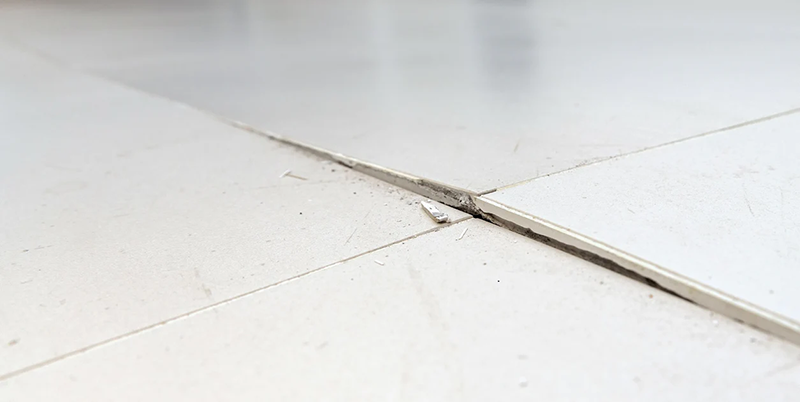
Natural stone is strong but not indestructible. Excessive weight or sudden impact can cause cracks, especially in thinner slabs.
Typical stress factors
Heavy furniture or equipment placed improperly
Point loads (high pressure on a small area)
Dropping heavy objects on the surface
How to reduce risk
Use proper thickness for the application
Distribute weight evenly across surfaces
Add support structures for countertops and overhangs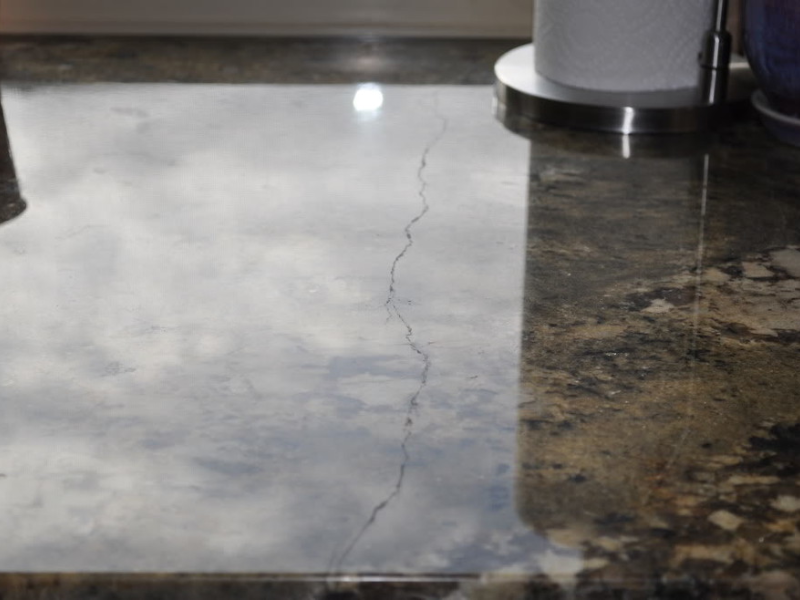
Temperature fluctuations can also cause stone to crack, especially in outdoor environments. Expansion and contraction over time create stress within the material.
Environmental causes
Freeze-thaw cycles in cold climates
Rapid temperature changes
Moisture penetration into the stone
Prevention strategies
Choose stone suitable for local climate conditions
Apply sealants to reduce water absorption
Allow space for thermal expansion in installation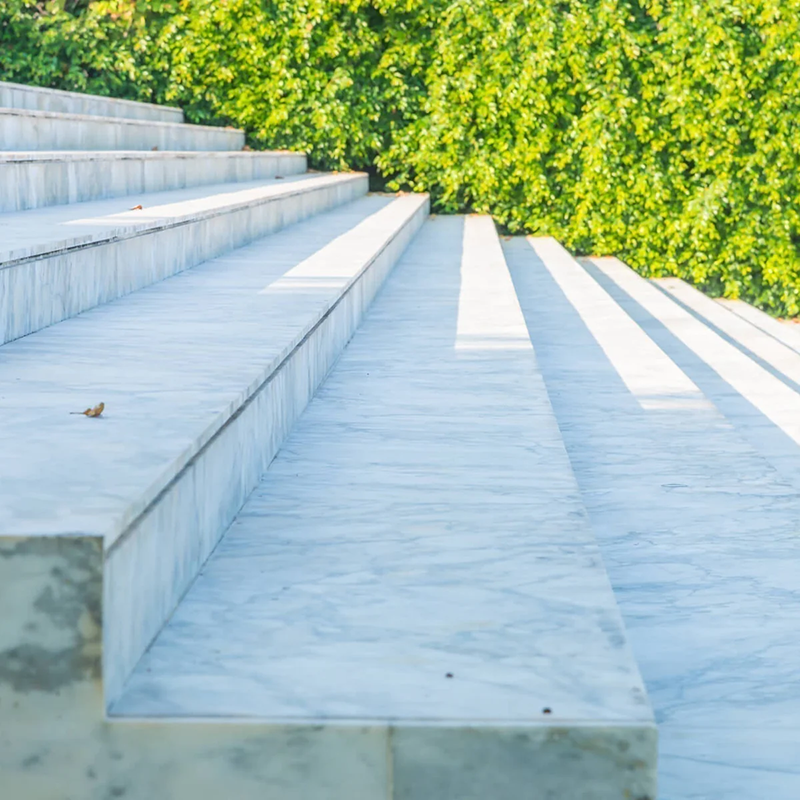
Natural stone cracking is usually not caused by a single factor, but by a combination of material properties, installation quality, and environmental conditions. While natural fissures are unavoidable, most structural cracks can be prevented through proper material selection, professional installation, and thoughtful design. By understanding these causes and applying the right preventive measures, you can significantly extend the lifespan and performance of natural stone in both residential and commercial projects.

 EN
EN