Among natural stones used in high-end architecture and interior design, Taj Mahal Quartzite stands out as a material that perfectly balances elegance, durability, and versatility. Its subtle beauty and reliable performance have made it a long-term favorite among architects, designers, and developers worldwide
1. Origin and Natural Characteristics
Taj Mahal Quartzite is a natural masterpiece formed under extreme pressure and temperature. This geological process gives it:
-
Dense Structure: Exceptional physical strength and low porosity.
-
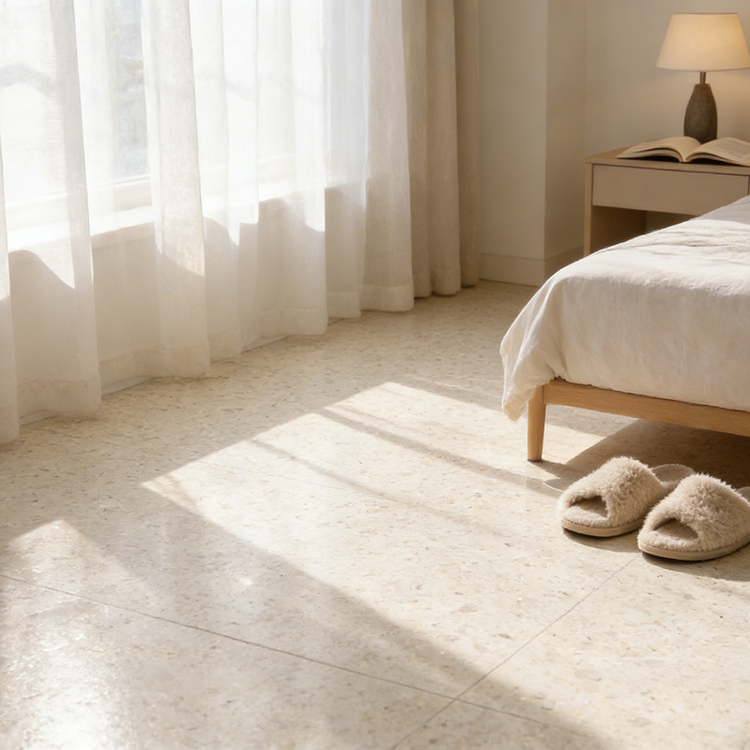
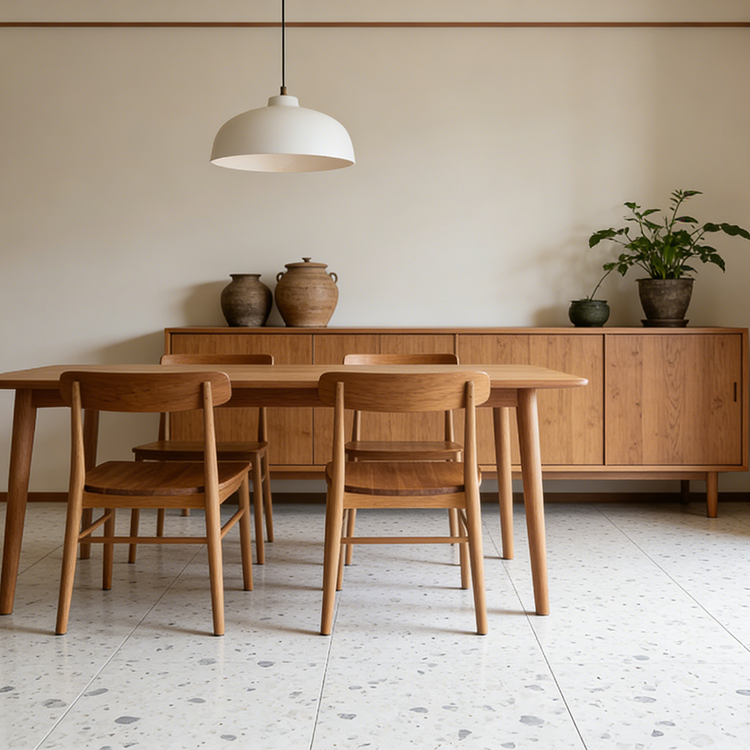
Refined Palette: A soft ivory to warm beige background, complemented by gentle linear veining.
-
Subtle Depth: Unlike dramatic marbles, it adds depth without overwhelming a space, making it suitable for both classic and minimalist designs.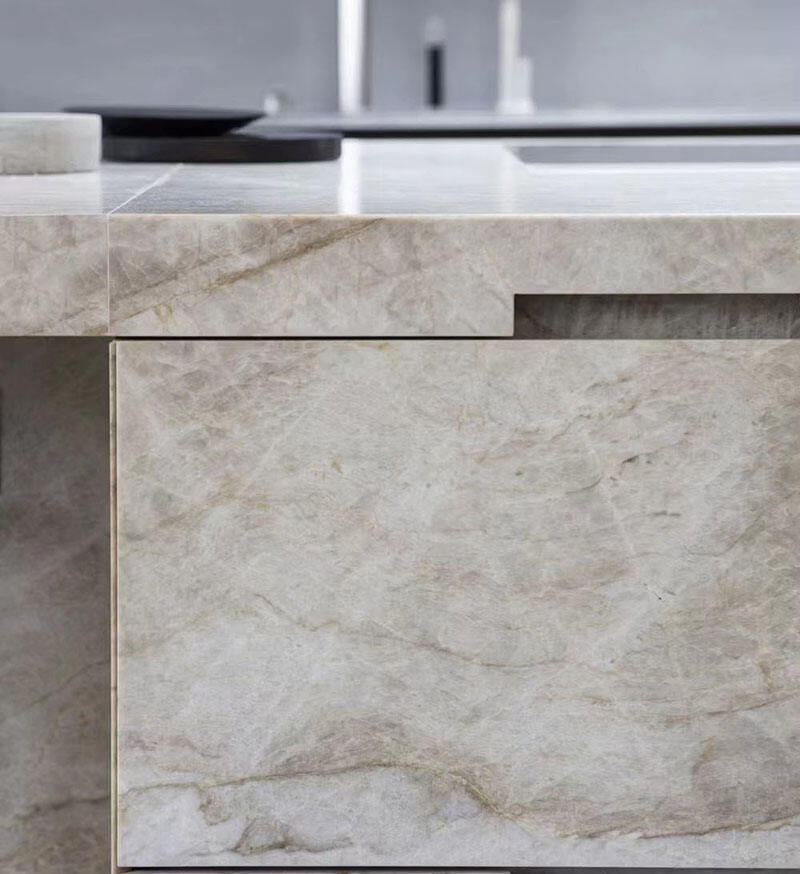
2. Aesthetic Appeal: Understated Luxury
One of the defining qualities of Taj Mahal Quartzite is its Understated Elegance. The stone reflects light softly, creating a warm and welcoming atmosphere. This makes it particularly popular in premium spaces:
-
Residential Interiors: For a spa-like master bath or a professional chef’s kitchen.
-
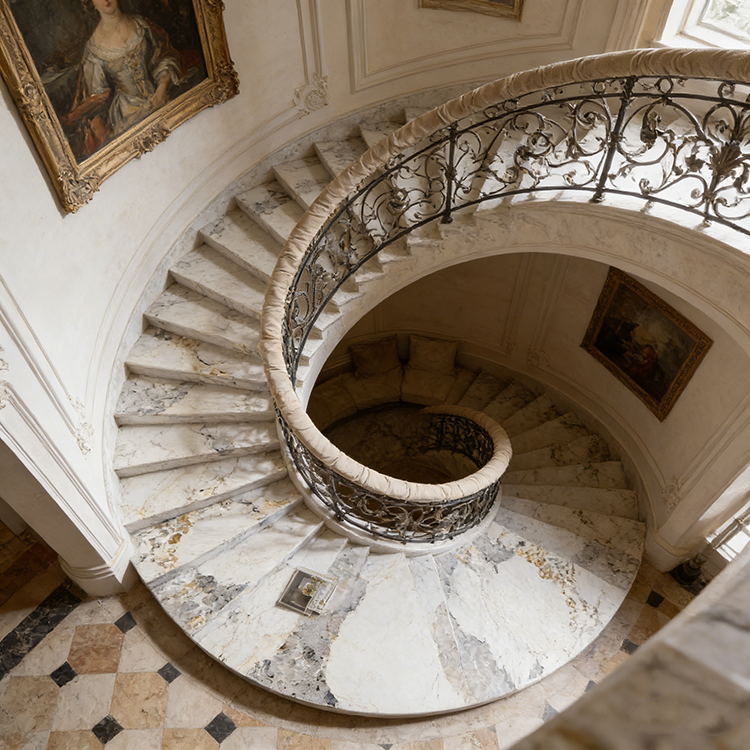
Luxury Hospitality: High-end hotel lobbies that require a grand but serene entrance.
-
Commercial Spaces: Executive offices and boutique retail stores.
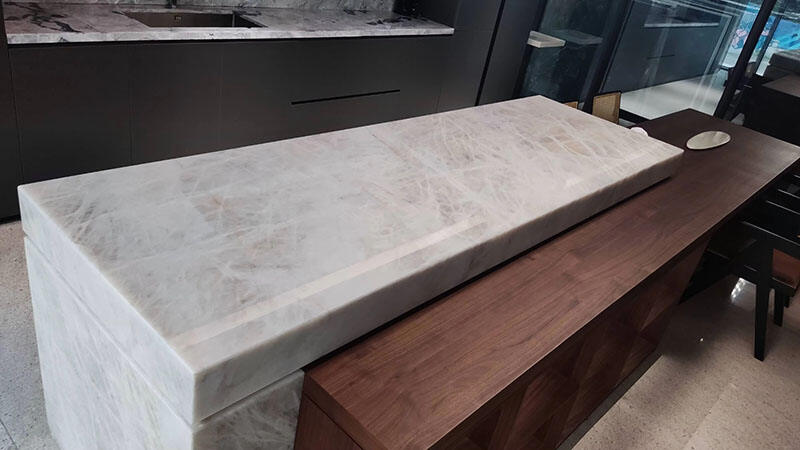
3. Common Applications: Versatility in Design
Thanks to its balance of beauty and performance, Taj Mahal Quartzite is the "Swiss Army Knife" of luxury materials:
-
Kitchen Islands: Massive waterfall edges for a monolithic look.
-
Bathroom Vanities: Integrated sinks and backsplashes.
-
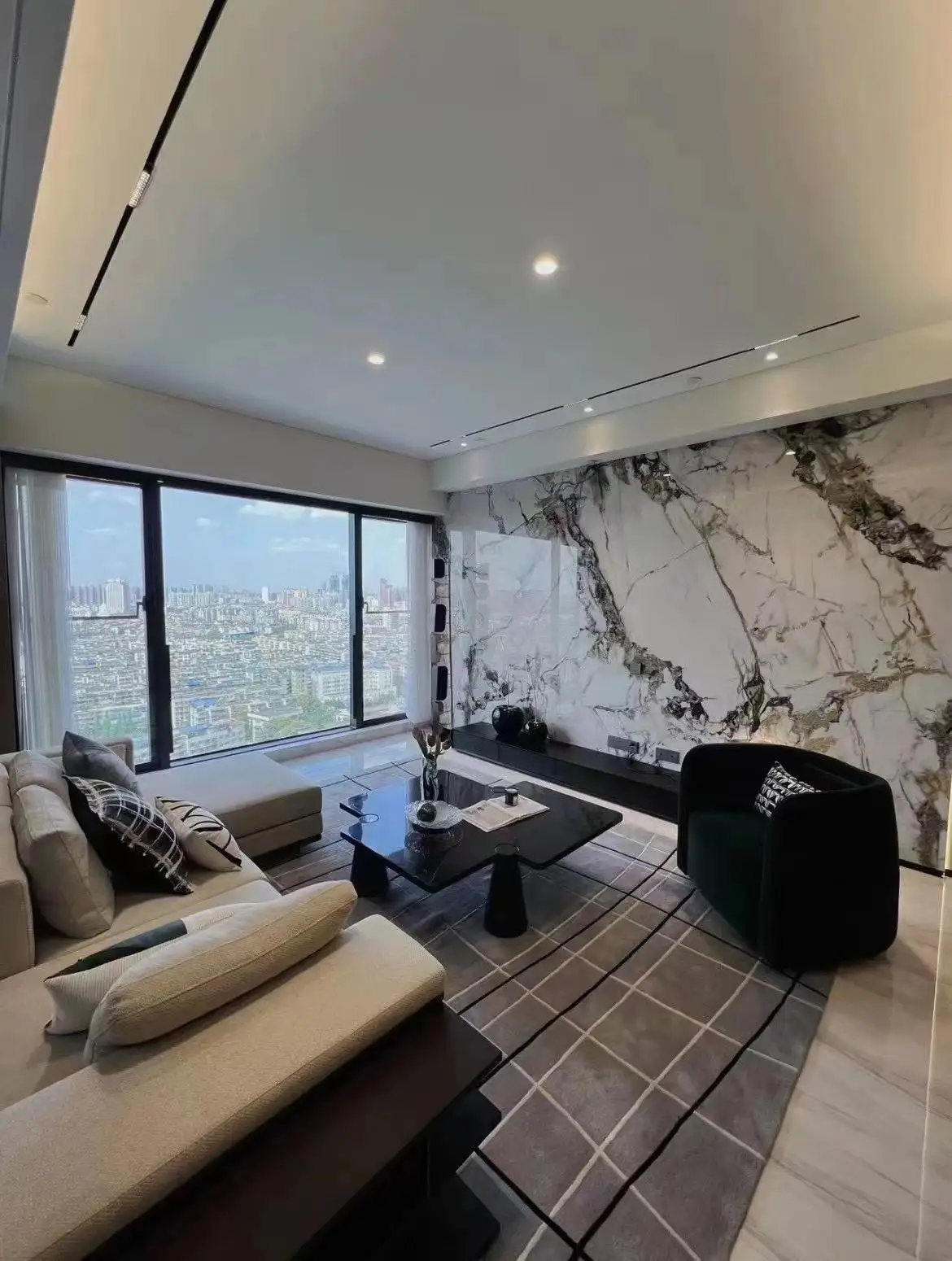
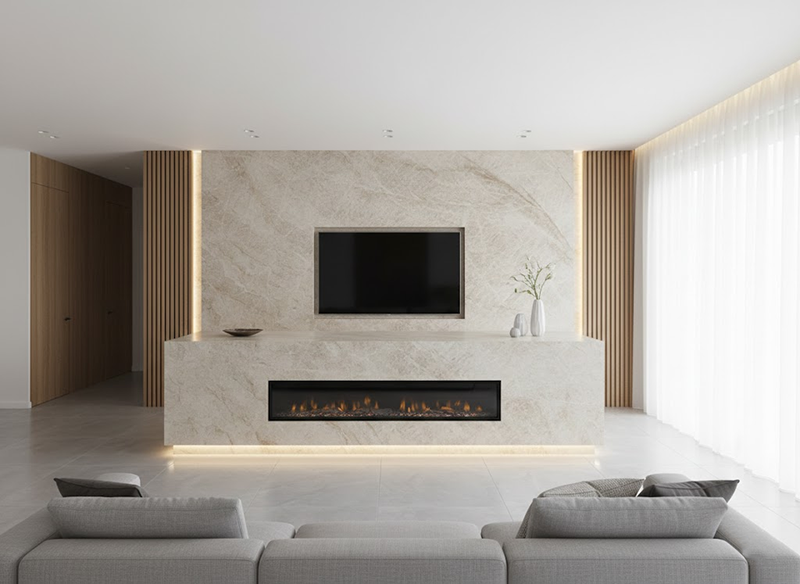
Wall Cladding: Large-format slabs that create seamless, artistic feature walls.
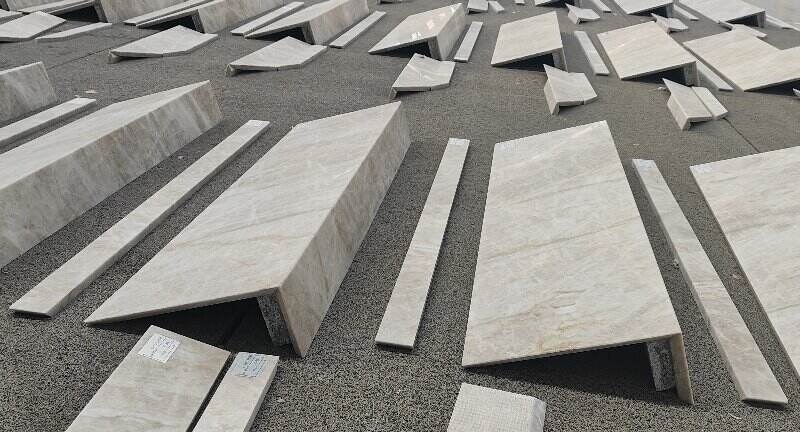
4. Why Taj Mahal Quartzite Remains a Classic Investment
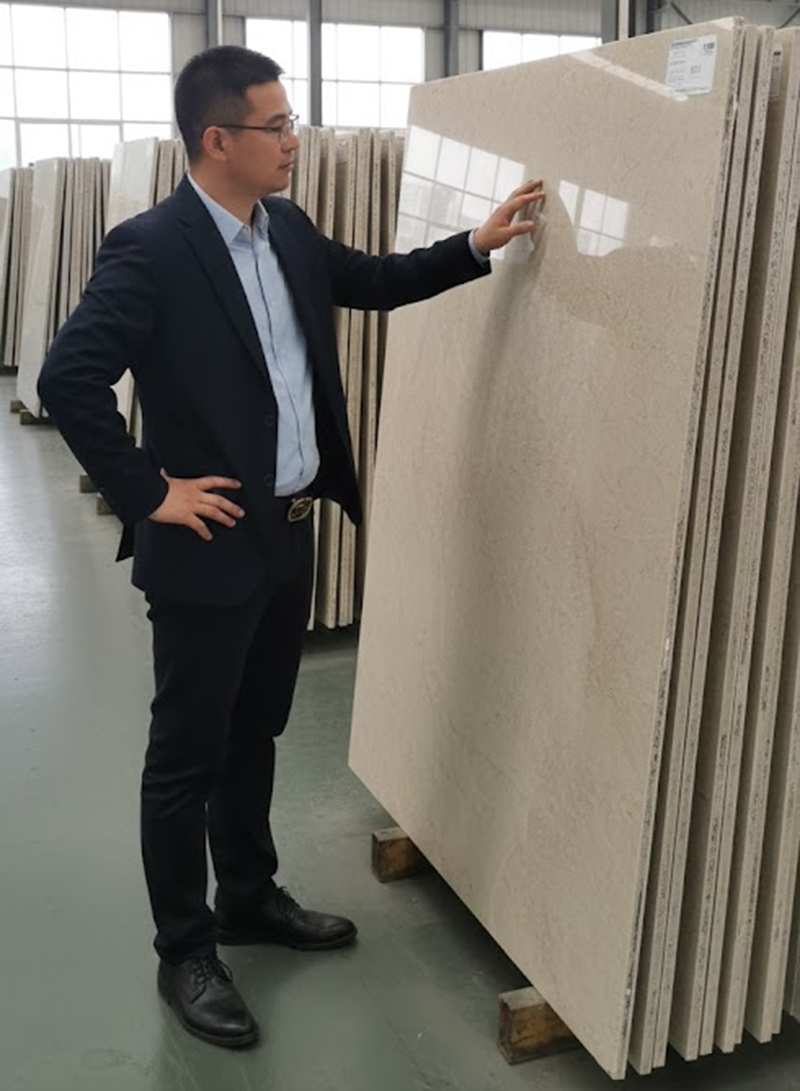
Trends in stone design come and go, but Taj Mahal continues to lead the market. The reason is simple: It is a long-term investment. Instead of relying on fashion-driven visual impact, it offers timeless aesthetics, material reliability, and design flexibility—qualities that remain valuable regardless of changing trends.
Final Thoughts
Choosing natural stone is a design decision that defines the soul of a project. Taj Mahal Quartzite represents a choice that balances visual harmony with practical performance, making it a trusted option for architects seeking enduring value.

 Hot News
 EN
EN